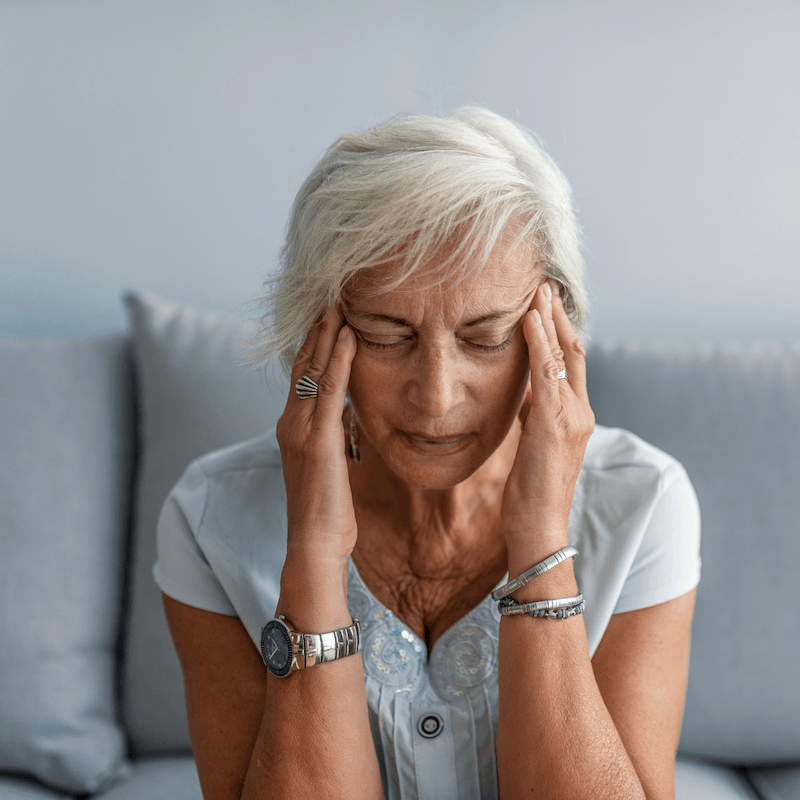
A migraine does not exclusively manifest as acute head pain; rather, a vestibular migraine predominantly impairs equilibrium, motion processing, and spatial orientation. Our otolaryngology practice evaluates ongoing dizziness episodes to differentiate vestibular migraine from other balance disorders. Identifying key clinical indicators and reviewing them with your doctor is essential for establishing an accurate, effective migraine treatment plan.
Understanding the Clinical Differences Between Vestibular and Regular Migraines
Typical migraine attacks and vestibular migraines share the same neurovascular pathology, but their primary presenting symptoms differ. The hallmark of a typical migraine is moderate to severe unilateral throbbing head pain that intensifies during ordinary physical activities. This cephalalgia is often accompanied by gastrointestinal nausea, photophobia (light sensitivity), phonophobia (sound sensitivity), and visual aura.
In contrast, vestibular migraine mainly induces rotational vertigo, general dizziness, postural instability, and motion intolerance. While head pain may coincide with an episode, a headache is not clinically required for each vestibular attack. Manifestations may include false sensations of spatial movement, dizziness provoked by head turns, and difficulty tolerating busy visual environments.
Clinically documented vestibular episodes usually persist for a duration between five minutes and 72 hours. The variability of symptoms from one flare-up to another makes identifying a migraine link less straightforward than tracking head pain.
What Mechanisms Drive Vestibular Migraine?
Clinicians have not identified a solitary disease entity that directly causes vestibular migraine. This balance condition appears to reflect shared neurological circuits that modulate migraine signals and vestibular equilibrium data. Individual or hereditary migraine history, paired with lifelong motion sickness, substantially elevates clinical susceptibility.
Typical episode triggers encompass the following:
- Fluctuating sleep cycles or significant sleep deficits
- Irregular nutritional intake, skipped meals, and dehydration
- Mental or physical stress, as well as rapid decompression after stressful events
- Catamenial hormonal fluctuations, menstruation, or perimenopause
- Exposure to bright lights, strobe effects, or visually intricate environments
- Extended vehicle travel, dynamic physical movement, or fast smartphone screen scrolling
- Alcohol intake, fermented foods, cured meats, or idiosyncratic dietary sensitivities
- Barometric weather fluctuations, seasonal shifts, or compounded sensory overstimulation
Symptom Profiles: How Vestibular and Regular Migraines Present
Classical migraine attacks are readily identified by head pain, but neurological symptoms often extend well beyond local cephalalgia. A person may experience nausea, vomiting, visual aura, fatigue, brain fog, neck discomfort, or sensitivity to light, sound, and smell.
Vestibular migraine may include:
- Sensations of rotational spinning or non-spinning spatial disorientation
- Marked balance deficits, physical clumsiness, or postural instability
- Dizziness triggered or aggravated by rapid head turns or tilting
- Nausea and malaise during standard locomotion or vehicular travel
- Visual motion hypersensitivity when viewing digital displays, high-density crowds, or repetitive wallpaper
- Subjective sensations of standing on a rolling boat deck, floating, vertical tilting, or lateral pulling
- Exaggerated sensitivity to ambient lighting, loud acoustic stimuli, or visual clutter
- Dull cranial pressure, tight band-like sensations, or pulsating migraine headache
- Temporary ear pressure, fullness, or ringing
The pattern, duration, and triggers help distinguish vestibular migraine from other causes. Sudden dizziness that coincides with motor weakness, limb numbness, difficulty articulating speech, double vision, syncope, or inability to stand requires immediate emergency assessment.
Experiencing Vestibular Symptoms and Migraine Headaches Simultaneously
Indeed they do. Vertigo and classical migraine headaches frequently coincide during the same physiological episode. The dizziness may begin before the head pain, develop while the headache is active, continue afterward, or appear during a separate episode. Certain patients experience cyclical shifts, alternating between headache-predominant and vertigo-predominant episodes over extended periods.
An episode of vertigo does not have to feature head pain to be classified within the migraine spectrum. Using a detailed symptom diary can highlight critical physiological associations that prove difficult to remember weeks later. Note the frequency and length of dizziness, headache qualities, sensory changes, menstrual timing, sleep habits, meals, potential triggers, and therapeutic interventions. These objective records provide invaluable diagnostic clarity during your comprehensive evaluation.
Establishing a Vestibular Migraine Diagnosis: Testing and Criteria
No standalone blood test, neuroimaging scan, or specialized vestibular test can independently prove vestibular migraine. Clinical assessment begins with a meticulous clinical history exploring episode traits and personal migraine patterns with or without aura. Accepted diagnostic standards mandate documenting at least five moderate to severe vestibular attacks of five minutes to 72 hours duration, with migraine features accompanying at least half.
Our clinical assessment routinely incorporates a complete neurological workup, oculomotor eye-movement testing, otoscopy, audiological evaluation, and vestibular testing. Diagnostic recommendations may involve a comprehensive audiogram, positional balance testing, advanced vestibular assessments, or magnetic resonance imaging. These comprehensive assessments allow our clinical team to identify or eliminate alternate conditions that trigger overlapping vertigo. Vestibular migraine is diagnosed only when the pattern fits, and another condition does not better explain the symptoms.
How Are Vestibular Migraines Managed and Treated?
Management is customized for each patient depending on attack frequency, degree of disability, headache status, underlying conditions, and medication safety profiles. Clinical success typically relies on combining consistent daily prophylactic measures with an emergency protocol for managing acute vestibular episodes.
We develop an individualized treatment regimen which may feature:
- Maintaining consistent circadian sleep patterns, disciplined meal times, adequate hydration, and regular exercise
- Identification and reduction of consistent personal triggers
- Utilizing behavioral health interventions, relaxation training, or cognitive stress-management techniques
- Medication for nausea or other acute symptoms
- Limited use of vestibular suppressants during severe attacks
- Daily preventive medications such as beta-blockers, calcium channel blockers, topiramate, specific antidepressants, or novel migraine drugs
- Targeted vestibular physical therapy to retrain the central balance system and reduce chronic motion sensitivity
Vestibular suppressants are generally used sparingly because frequent use may cause sedation and interfere with the brain’s adaptation to balance signals. You should always finalize medication decisions with your prescribing clinician instead of adopting treatment plans prescribed to others. Clinical stabilization often involves gradual pharmacological adjustments alongside diligent, long-term symptom logging.
Arrange an Otolaryngology Balance Assessment
Should frequent vertigo episodes, persistent unsteadiness, or motion intolerance interfere with your life, book an appointment with our specialists. The initial visit features an in-depth review of migraine history, health factors, and therapeutic aims, paired with diagnostic exams to rule out BPPV, Ménière’s disease, and competing vestibular conditions. Get in touch with our ENT clinic now to request your vestibular migraine appointment.