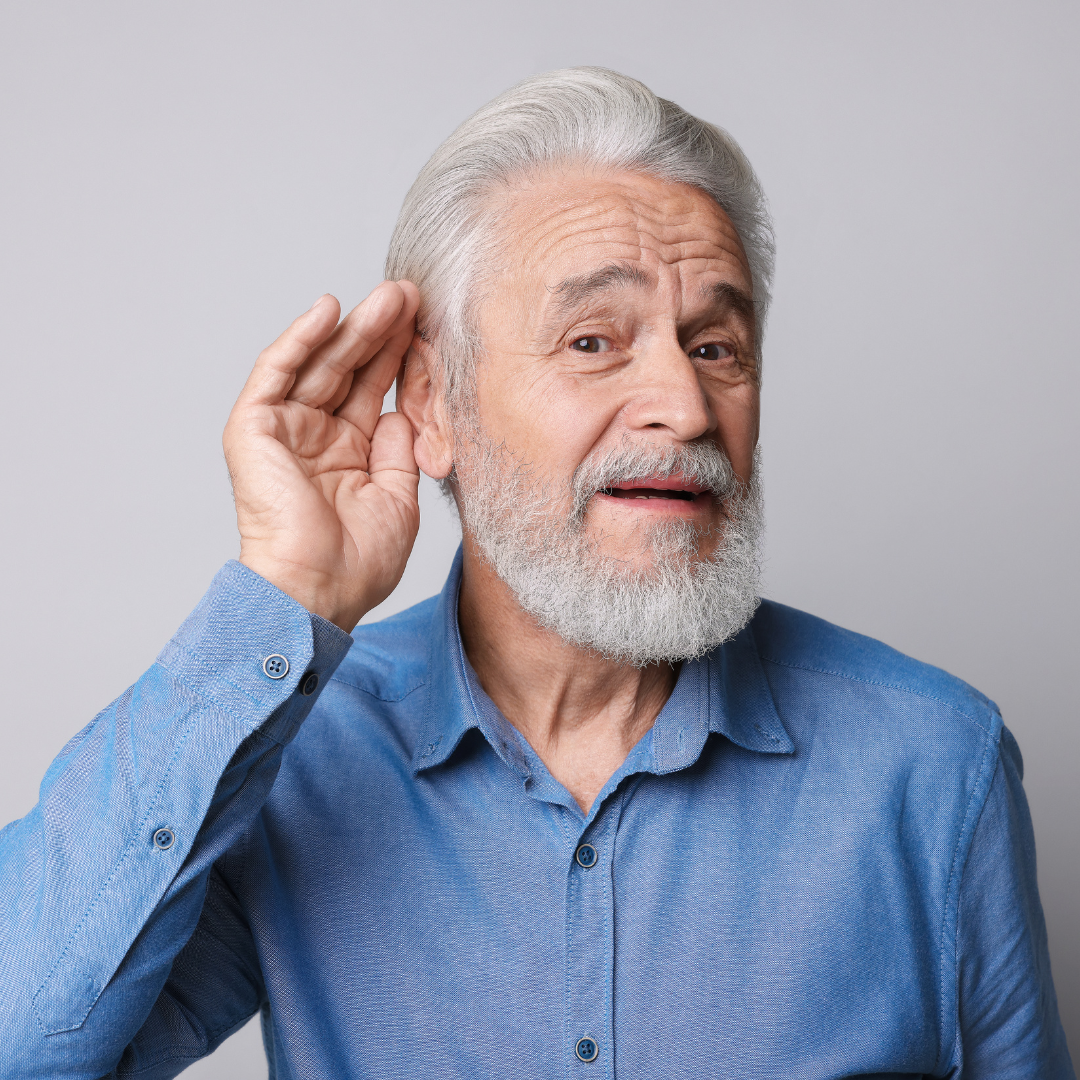
Noticing an immediate hearing loss on one side can be unsettling, leaving affected individuals wondering how to proceed. Our practice can provide urgent hearing testing and help coordinate appropriate medical care when a rapid change occurs. Sudden hearing loss always requires immediate attention from a hearing specialist to explore treatment or hearing rehabilitation when needed.
Is Sudden Unilateral Hearing Loss an Audiological Emergency?
Absolutely. An abrupt loss of hearing in one ear should always be regarded as an emergency, particularly if the loss emerges over hours or several days. Sudden sensorineural hearing loss, sometimes called sudden deafness, involves the inner ear or the nerve pathways that carry sound to the brain. It often occurs without pain and may be mistaken for congestion or a plugged ear.
Potential signs of this condition include:
- A rapid unilateral loss of sound volume and word distinction
- Struggling to decipher telephone conversation when holding the receiver to the affected ear
- A popping sensation or pressure before hearing changes
- Acute tinnitus presenting as ringing, roaring, or buzzing localized to the compromised ear
- The sudden appearance of true vertigo, gait imbalance, or persistent dizziness
Refrain from waiting for spontaneous recovery to restore your hearing acuity. Seek same-day diagnostic guidance from our practice, an urgent care physician, or an otolaryngology specialist.
Why Rapid Clinical Intervention Matters for Sudden Unilateral Hearing Loss
Rapid diagnostic assessment matters tremendously because medical management of sudden sensorineural hearing loss is most effective during the initial window. We must immediately determine if the loss is conductive—stemming from earwax blockage or middle-ear pathology—or sensorineural, signifying inner ear or neural involvement. Even though conductive blockages and neural losses present with similar symptoms, they demand radically distinct medical protocols.
A thorough physical ear inspection combined with a diagnostic hearing test isolates the exact type, audiometric shape, and severity of the loss.
Obtain urgent emergency medical evaluation without delay if sudden hearing loss is accompanied by:
- Facial drooping, weakness, or numbness
- Dysarthria (slurred speech), acute cognitive confusion, or an atypical, severe headache
- Diplopia (double vision), syncope (fainting), or severe gait ataxia
- Severe chest pain, shortness of breath, or critical emergency symptoms
Such clinical findings often indicate an urgent vascular or central neurological emergency that cannot wait for an outpatient appointment.
What Causes Sudden Deafness in One Ear?
For the vast majority of patients with sudden sensorineural hearing loss, the exact etiology remains idiopathic. When a cause can be identified, it may involve inflammation, injury, circulation, the immune system, or another condition affecting the inner ear or auditory nerve.
Potential medical causes encompass:
- Acute viral labyrinthitis or bacterial infections
- Severe head trauma or direct exposure to an explosive acoustic blast
- Autoimmune conditions
- Pharmacological ototoxicity resulting from specific clinical medications
- Vascular disruptions, arterial thrombosis, or reduced labyrinthine blood flow
- Inner-ear disorders such as Ménière’s disease
- Central neurological pathologies including multiple sclerosis
- A vestibular schwannoma (acoustic neuroma) developing on the vestibulocochlear nerve
Because the difference cannot be confirmed by symptoms alone, prompt examination and audiologic testing are important.
Clinical Treatment Protocols for Sudden Sensorineural Hearing Loss
Systemic or topical corticosteroids represent the standard clinical intervention for idiopathic sudden sensorineural hearing loss. Steroid medications can be administered as an oral taper or delivered via intratympanic injection through the eardrum directly into the middle ear space to diffuse into the cochlea. We establish personalized treatment regimens by evaluating the chronological window, decibel severity of the impairment, systemic health conditions, and drug contraindications.
Medical evidence supports initiating steroid treatment within the first two weeks, underscoring the necessity of immediate clinical intervention. Targeted intratympanic steroid injections are often indicated as salvage therapy when oral regimens fail to provide full auditory restoration. In specific clinical presentations, the otolaryngologist may recommend combining hyperbaric oxygen therapy alongside standard steroid regimens.
Can Sudden Hearing Loss in One Ear Go Away on Its Own?
Certain instances of sudden sensorineural hearing loss do demonstrate spontaneous improvement without therapeutic intervention. Literature indicates that approximately 50 percent of patients recover some or all hearing spontaneously, frequently within the first one to two weeks. Still, there is no clinical way to predict at symptom onset who will experience spontaneous recovery, how much hearing will be regained, or whether stability will persist.
The possibility that hearing might return spontaneously is never an acceptable reason to delay emergency treatment. Medical interventions become markedly less effective at reversing permanent deficits when delayed by weeks, closing a critical therapeutic window. Overall auditory recovery can range from full restoration and partial improvement to negligible recovery.
Audiological Management for Persistent Sudden Unilateral Hearing Loss
If auditory thresholds fail to normalize completely, management depends on residual hearing sensitivity, unilateral speech discrimination scores, and the exclusion of underlying retrocochlear pathology. Our team may order a dedicated internal auditory canal magnetic resonance imaging (MRI) scan or an auditory brainstem response (ABR) evaluation to assess the vestibulocochlear nerve and cerebellopontine angle.
Ongoing rehabilitative technologies include:
- A traditional hearing aid when the ear retains usable hearing
- A Contralateral Routing of Signals (CROS) hearing system that wirelessly routes sound from the non-functional side to the healthy ear
- A bone-conduction device for appropriate candidates
- Clinical cochlear implantation for candidates meeting criteria for profound unilateral deafness
- Cutting-edge assistive listening devices to enhance speech perception in occupational, classroom, and social environments
Targeted audiologic rehabilitation provides strategies to manage cognitive listening exhaustion, impaired sound localization, and interpersonal communication hurdles. The optimal clinical choice is guided by diagnostic hearing test findings, individual acoustic environments, medical background, and personal lifestyle objectives.
Arrange an Emergency Hearing Evaluation
If your hearing changed suddenly today or within the past few days, seek same-day medical guidance rather than waiting for a routine visit. Our clinic will perform comprehensive diagnostic hearing testing, compare thresholds between ears, document onset chronology, and coordinate urgent care with an ENT physician.
Connect with our clinical office right away to arrange an urgent hearing assessment.