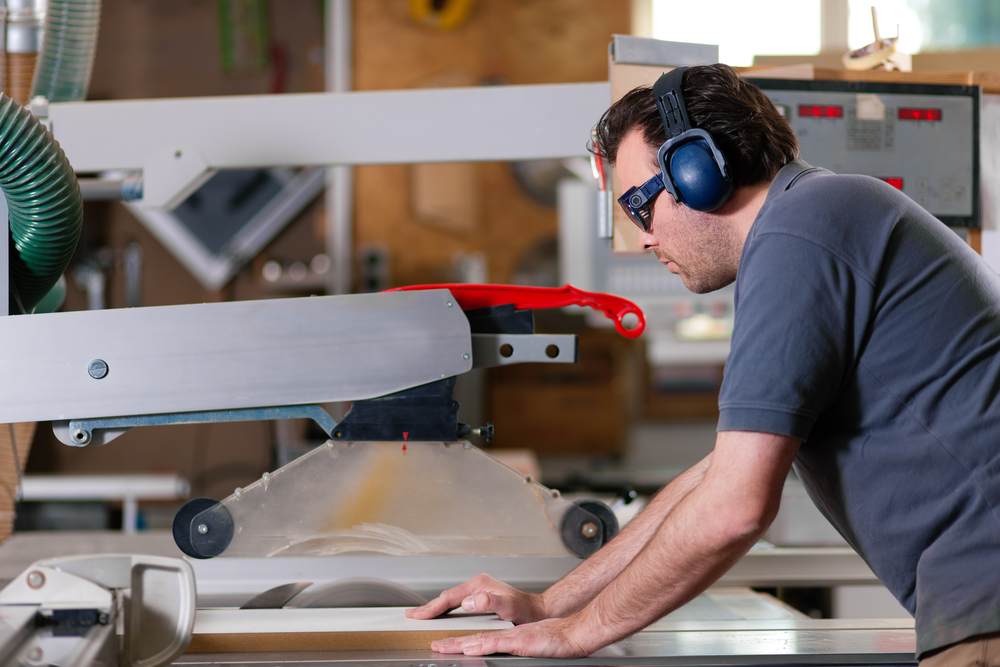
Prolonged exposure to sound can take a significant toll on your hearing health, especially in settings where sound levels surpass safe thresholds. Protecting your ears is vital—not only for preventing hearing loss but also for preserving focus in noisy environments. Consequently, what steps should you implement to identify the ideal hearing protection level aligned to your requirements?
Gaining understanding into sound intensity and its effects
The effects of noise exposure aren’t just about volume but also the duration of exposure. Decibels are the critical measurement tool for noise, indicating the strength of sound. When sound levels reach 85 dB or higher, they can begin to injure your hearing, particularly with extended exposure.
Consider that 85 dB equals the intensity of city traffic noise heard while sitting in a car. Even though this might not sound too loud, eight hours of continuous exposure at this level can cause the onset of harm to your hearing. The more intense the sound, the less the safe exposure time:
- 90 dB (Lawnmower): Up to 4 hours of exposure can be harmful.
- Keep your exposure to 100 dB (Power tools) to less than 1 hour.
- 110 dB (Leaf blower): Just 15 minutes of exposure can cause damage.
- Your hearing can be harmed by any exposure to a 120 dB sound (Rock concert).
- 140 dB (Jet engine): Immediate damage and pain can occur.
Identifying risky noise levels
You must wear hearing protection when routinely exposed to 85 dB or louder sounds. This is primarily true in job sites like building areas, factories, or any environment where machinery, devices, or gear produce too much noise.
Hearing protection is also helpful outside of the job; activities like attending music shows, operating leaf blowers, or participating in shooting sports can subject you to unsafe sound levels.
Choosing protection based on Noise Reduction Ratings (NRR)
We evaluate the effectiveness of hearing protection through its Noise Reduction Rating (the NRR). The NRR value shows the level of sound attenuation, expressed in decibels, that the unit provides. More significant protection is shown by a larger NRR value. To give a concrete example, a 30 dB NRR on earplugs would drop an 85 dB noise down to 55 dB, which is a sound level far below the unsafe limit.
In selecting protection, you must gauge the precise noise levels you encounter and verify your chosen device reduces the sound sufficiently to remain under 85 dB.
Comfort is required for sustained use of protection
The NRR is undoubtedly significant, but comfort is a similarly significant component in achieving consistent, long-term use. An uncomfortable or cumbersome protective device increases the inclination to remove it, which exposes your ears to dangerous noise.
Poor hearing protection can lead to tinnitus or hearing loss. Take action now: get a hearing test and consider hearing aids.
Choosing well-fitting hearing protection results in continuous wear, thus reducing the danger that you will be exposed to noise occasionally. To demonstrate, heavy or ill-fitting earmuffs may be removed by the wearer now and then, subjecting their ears to harmful sound levels.
A look at the various styles of hearing protection
Hearing protection is available in multiple varieties, each with its advantages and disadvantages:
- Inserted into the ear canal, Foam Earplugs provide superb noise reduction. They are disposable and light, yet some individuals may find them uncomfortable.
- Pre-Molded Earplugs: These rest just outside the ear canal and are reusable, making them a more sustainable option. They’re easier to insert and remove compared to foam earplugs.
- Earmuffs: Earmuffs cover the entire ear and are ideal for environments with fluctuating noise levels, as they’re easy to put on and take off. However, they may feel heavy or warm during extended use.
Choosing the correct type depends on your preferences and the demands of your surroundings. Construction workers, for example, might prefer the ease of use provided by earmuffs, whereas factory personnel may opt for earplugs for continuous wear.
Ensuring consistent use
The most highly effective hearing protection is the one you’ll wear steadily. Removing the protection for even a few minutes can result in long-term damage to your hearing. For this reason, finding a solution that balances protection, comfort, and convenience is necessary.
Taking steps for permanent hearing protection
We are constantly surrounded by noise, yet choosing the correct protective device guarantees your ears are safeguarded, enabling you to continue enjoying your acoustic environment.
Reach out to us today to talk about your risk of noise-related hearing loss and how to most effectively safeguard your hearing health.