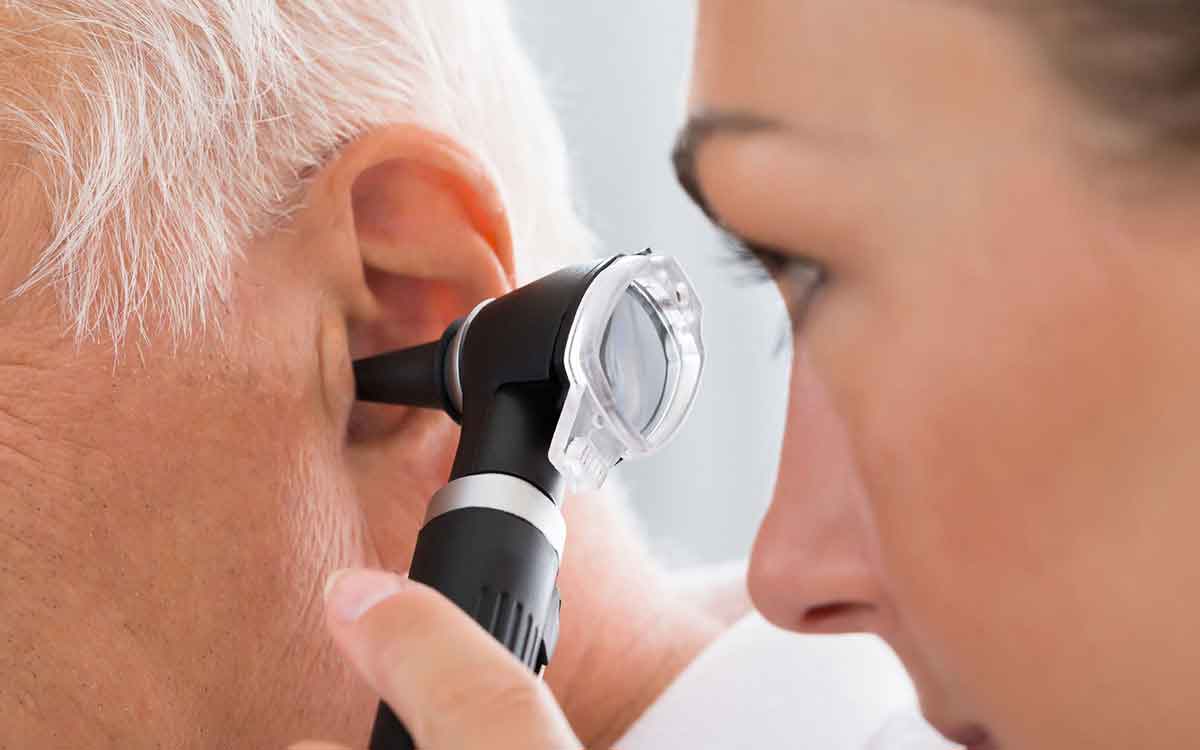
Because hearing loss typically advances slowly, early indicators frequently go unnoticed by the individual. It is common for people to adapt to auditory changes by elevating device volume and steering clear of gatherings with significant background noise.
However, acknowledging the early symptoms of auditory impairment remains critical for long-term health.
Recognizing Typical Early-Stage Hearing Loss Symptoms
If you notice any of the listed clinical signs, it is recommended to have your hearing checked.
- Difficulty understanding conversations, specifically in crowded settings with significant background noise.
- Frequently requesting others to repeat themselves.
- Muffled or blurred vocalizations, making it difficult to distinguish specific sounds.
- Requiring higher volume levels for electronic devices than is typical.
- Trouble hearing higher-pitched sounds, including children’s voices, birds, or electronic alerts.
- Auditory sensations such as ringing, buzzing, or humming, clinically termed tinnitus.
- Mental drain after social events resulting from straining to follow speech.
- Isolating from communal environments since following speech becomes difficult.
Preliminary indicators of auditory decline may appear in unilateral or bilateral patterns and vary in frequency initially. Since the auditory cortex adapts to changes, compensatory behaviors often go unnoticed until clinical hearing loss is evident.
Understanding Hearing Impairment Through Data
The World Health Organization reports that the need for hearing support will affect 700 million people by 2050. Other relevant statistics involve:
- By 2050, nearly 2.5 billion people are projected to have various levels of hearing loss.
- More than five percent of the global community (roughly 430 million people) requires rehabilitation to manage disabling hearing loss.
- More than 1 billion younger individuals are at risk of permanent hearing loss due to unsafe listening practices.
- Among those over the age of sixty, over 25% have disabling hearing loss.
Why Early Detection is Key
Neglecting auditory shifts can have systemic health consequences that go unnoticed.
Studies have identified a link between auditory impairment and an increased likelihood of cognitive decline and mobility issues.
Recognizing changes early on ensures optimal results and varied management strategies.
Audiological testing differentiates between age-related decline, earwax buildup, or underlying infections.
In some cases, auditory shifts are transient and reversible.
In addition, utilizing protective measures or hearing technology at the onset can slow the advancement of hearing loss.
Indications for a Professional Hearing Evaluation
It is advisable to get a consultation with a hearing specialist if:
- Auditory indicators last longer than a brief period.
- Changes in hearing impact work, relationships, or daily activities.
- You experience sudden hearing loss, vertigo, or persistent tinnitus (which requires immediate attention).
Audiological evaluations are comfortable and safe, yielding essential information into your physiological hearing status.
Please contact our specialists if you are interested in arranging a formal hearing test.
FAQ: Early Signs of Hearing Loss
Q: Are all auditory changes linked to getting older?
Answer: No. While common in seniors, hearing impairment can be caused by medications, loud noise, infections, or hereditary conditions.
Q: Can hearing loss be reversed?
A: In specific instances involving earwax or infection, hearing may be restored. Permanent sensorineural hearing loss is typically managed using advanced hearing devices and management protocols.
Q: How often should hearing be checked?
Answer: It is recommended that adults obtain a baseline assessment by age 50, with earlier testing for those with specific risk factors.