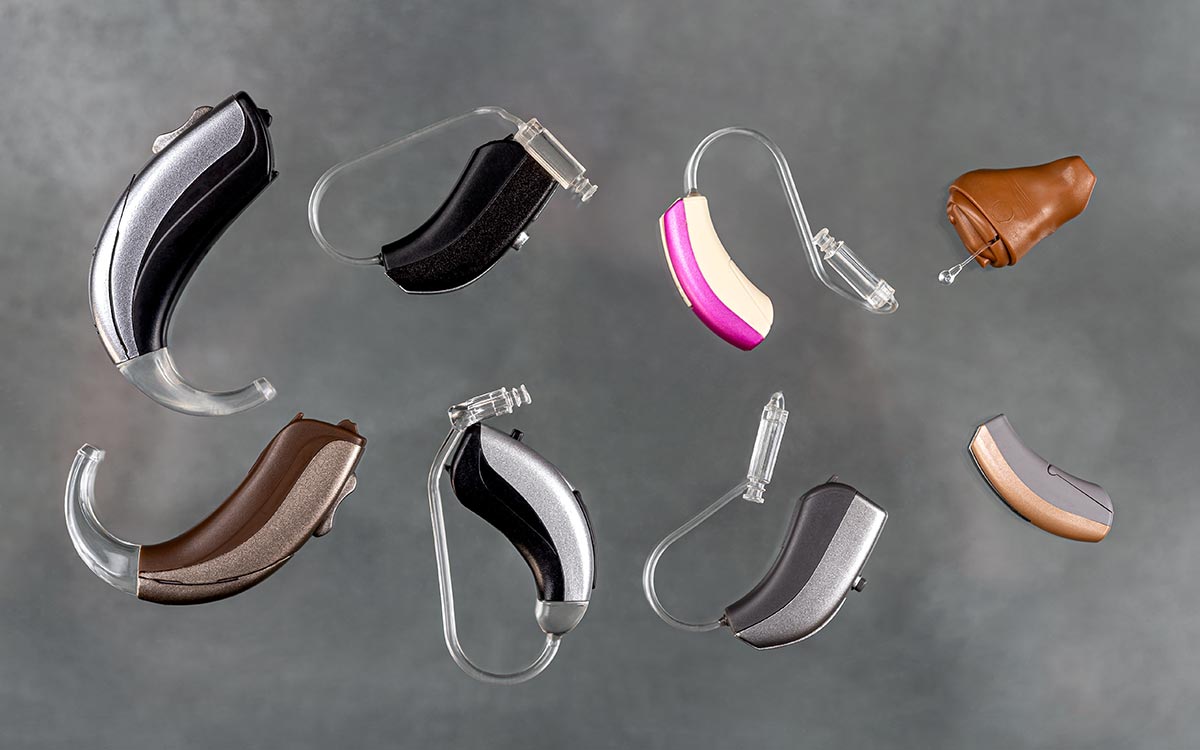
Choosing an instrument can feel overwhelming, especially when today’s devices come in so many styles, sizes, and technology levels. Rest assured that there is a hearing device customized to every lifestyle and degree of impairment. The key is simply choosing the one that fits you best.
Feeling positive about your selection begins with knowing how different hearing aids function and compare. In this breakdown, we glance at current styles and the unique characteristics that define them.
In-the-Canal (ITC) Hearing Aids
The Meaning:
ITC models are custom-made to sit within the ear canal, though a small part of the shell remains visible in the ear’s outer portion.
Why users select them:
- Less apparent than conventional full-size models
- Tailored to the specific shape of your ear
- Suitable for mild to medium hearing loss
First-time wearers often gravitate toward ITC aids because they strike a perfect compromise between size and performance.
IIC (Invisible-in-Canal) Engineering
Core Traits:
IIC models are the most miniature custom-fitted auditory solutions you can choose. This style fits deep in the ear for a completely covert appearance.
Why they are favored:
- Offers the most subtle look of any hearing aid style
- Microphone placement helps mimic the ear’s natural sound collection
- Featherweight and comfortable
Due to their small stature, these aids are generally recommended for low-to-mid-range hearing loss and users who want total invisibility.
In-the-Ear (ITE) Hearing Aids
What they are:
ITE hearing aids occupy either the whole outer ear (full-shell) or the lower portion (half-shell). These are custom-fabricated for an exact match based on your ear’s anatomy.
The Advantages:
- An appreciably larger frame houses advanced tech and more powerful batteries
- The physical size is easier to hold and adjust for users with fine motor concerns
- Effective for a wide spectrum of hearing impairments, ranging from mild to severe
Many people pick ITE devices because they provide an integrated, self-contained design that doesn’t hook over the ear.
Exploring BTE (Behind-the-Ear) Designs
What they are:
An external hearing aid is placed outside the ear for a stable fit. Audio travels into the ear canal through a small tube or custom earmold.
Common Motivations:
- Offers a long-lasting and versatile solution for various environments
- Function for almost all degrees of hearing loss
- Offer room for advanced features and rechargeable batteries
For those who value a reliable device that is easy to manage and provides plenty of volume, BTE is an excellent choice.
Receiver-in-Canal (RIC) Hearing Aids
Design Specifications:
The RIC design keeps the main body behind the ear while moving the receiver into the ear canal itself.
Why users select them:
- Very organic sound quality
- Compact, lightweight, and comfortable
- A versatile choice that works for various degrees of auditory needs
Thanks to their comfort and visual appeal, RIC devices have become a gold standard.
Extended-Wear Device Details
Operational Info:
An audiologist places these specialized hearing aids deep into the canal, where they stay for multiple weeks.
The Appeal:
- Provides an effortless experience with no daily maintenance required
- Sitting deep in the canal makes them completely hidden from view
- Engineering enables them to remain in the ear during all facets of daily life
If you want an auditory solution that requires zero daily thought, the extended-wear style is perfect.
Bluetooth-Enabled Hearing Aids
Functionality:
These are modern devices equipped with radio technology to sync with your personal electronics and televisions.
Digital Benefits:
- Turn your hearing aids into cordless headphones for all your favorite audio
- Provides a discreet way to manage your hearing environment from your mobile screen
- Improved ease for modern lifestyles
Most contemporary RIC, BTE, and ITC hearing aids now provide an advanced version.
Alternative Implantable Options
Technical Definition:
An implantable solution that works by vibrating the tiny bones inside the ear to provide amplified audio.
Why patients choose them:
- Choice for people who cannot use traditional hearing aids
- Comfortable option for chronic ear issues related to traditional devices
Middle-ear implants are typically recommended only after an exhaustive evaluation by a hearing specialist.
Selecting Your Ideal Hearing Solution
Every hearing aid style provides its own benefits, and the right option depends on your level of hearing loss, comfort preferences, lifestyle, and cosmetic considerations. By consulting an expert, you can investigate various models and see which one feels most natural to you.
Begin your journey to better sound by setting up a hearing test now. It’s an excellent first step toward better hearing and more confident communication every day.
Sources:
https://www.mayoclinic.org/diseases-conditions/hearing-loss/in-depth/hearing-aids/art-
20044116
https://www.hearinglife.com/hearing-aids/types
https://www.nidcd.nih.gov/health/hearing-aids