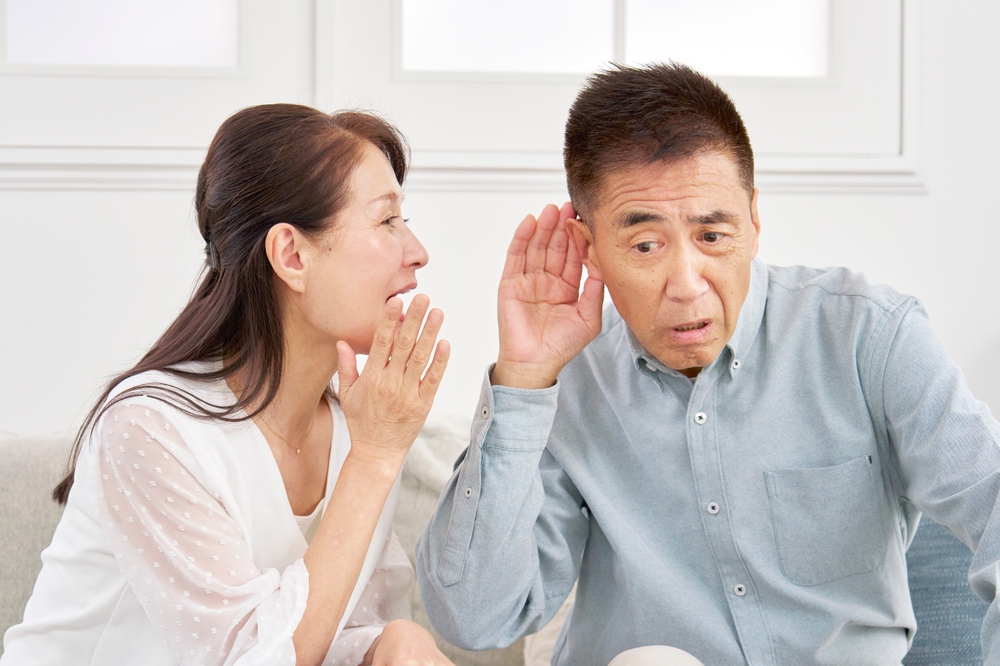
Hearing loss is more common than most of us might realize, but misinformation continues to prevent many people from seeking proper care. When managing hearing loss, timely intervention is a fundamental requirement for long-term health. Adhering to standard hearing myths often leads to diagnostic delays and a measurable decline in life quality.
If you have concerns about your hearing, knowing the truth (and the myths!) can help you make informed decisions about your health and proceed with greater confidence. Let us explore seven widespread myths about hearing and the medical facts that provide clarity.
The Fallacy of Senior-Only Hearing Loss
While sensory shifts are frequent in seniors, hearing loss remains a cross-generational health concern. Noise exposure, genetics, infections, certain medications, and underlying medical conditions can all contribute to hearing problems in younger adults and even children.
Viewing hearing impairment through an age-restricted lens delays diagnosis for millions of younger individuals.
The “I Can Still Hear” Fallacy
An individual can suffer from hearing loss without experiencing a complete loss of sound. Patients with mid-range impairment often perceive environmental noise while losing the ability to decode complex speech. Between perfect hearing and total hearing loss is a wide spectrum of hearing challenges.
Early symptoms frequently manifest as “cocktail party effect” struggles or a need for constant clarification from speakers. These markers represent initial auditory shifts that warrant a professional evaluation.
Myth: Auditory Decline is a Low-Stakes Issue
Ignoring hearing loss creates systemic health risks that impact the entire neurological system. Clinical studies associate untreated impairment with isolation, elevated cortisol levels, and accelerated cognitive decline.
Seeking early treatment safeguards your social connections and your long-term neurological function.
Myth: Amplification Devices Accelerate Ear Damage
There is no clinical evidence to suggest that proper use of hearing aids speeds up auditory decline.
Properly programmed hearing aids pose zero risk of physical damage to the auditory system. Modern tech calibrates sound output to match the specific “gaps” found in your clinical hearing test. By stimulating the auditory nerve, these devices help prevent the “unlearning” of speech sounds in the brain.
Modern Hearing Aids: Invisible and Powerful
Current hearing tech leverages micro-circuitry to achieve high performance in small packages. Today’s devices are smaller and more powerful than ever. Sleek “Behind-the-Ear” and “In-the-Ear” designs ensure that modern hearing help is virtually undetectable.
These devices provide high-tech solutions like automatic environment sensing and hands-free calling functionality.
6. Myth: If My Hearing Loss Is Mild, I Don’t Need Treatment
A “mild” diagnosis still carries the risk of social isolation and increased mental effort. Early treatment helps prevent listening fatigue and reduces the strain placed on the brain during conversations.
Patients who pursue early help experience a much smoother transition to using hearing technology.
Myth: One-Size-Fits-All Hearing Solutions Work for Everyone
Generic OTC amplifiers lack the sophisticated frequency shaping required for complex hearing loss profiles. Only a formal assessment can provide the data needed to create a truly effective and personalized treatment plan.
Personalized care makes a significant difference in both comfort and clarity.
Don’t Let Hearing Loss Myths Hold You Back
Any change in hearing can feel scary, which is why many people brush it off and delay seeking care. But believing common myths about hearing loss can make symptoms more challenging over time. The good news is that hearing evaluations are simple, painless, and highly informative.
If your ears feel “different,” scheduling a formal evaluation is the responsible next step for your health. Prompt action protects your ability to engage with the world and maintains your mental well-being.
For more information or to book your next hearing test, please contact our clinic today. Reach out to our care team now to begin your journey toward better hearing.