Sound dampening can be unsettling, often making you feel isolated from the world around you. It is typical to assume that muted sound signifies chronic hearing deficiency, but the problem is often just a resolvable cerumen obstruction.
Grasping the distinction between earwax buildup vs. hearing loss can help you know when a simple solution is possible and when it’s time to seek a hearing assessment. In the event you are experiencing dull hearing, don’t panic. While only an audiologist can verify the cause, reviewing these key markers of earwax vs. auditory decline can provide immediate insight.
Identifying the Symptoms of Earwax Blockage
Your ears produce wax as a natural protective process to maintain health and keep contaminants away from the tympanic membrane. The trouble begins when this substance collects to the point of a tangible obstruction.
Frequent signs of earwax buildup include:
- Progressive or abrupt dampened hearing
- A feeling of canal fullness or a “plugged” sense
- General ear irritation or minor aching
- Buzzing in the ear (ringing)
- Auditory clarity that clears briefly after yawning or chewing
A hallmark of wax-induced sound changes is asymmetry, typically affecting one side more than the other. Thankfully, clearing the blockage typically resolves the symptoms immediately.
Identifying the Markers of Irreversible Auditory Decline
Auditory decline, particularly age-related or trauma-based hearing loss, tends to develop gradually and doesn’t improve when the ear is cleared.
Common indicators of permanent auditory loss consist of:
- Issues with speech intelligibility in busy or loud settings
- Often needing repetition during normal dialogue
- A tendency to boost audio volume significantly to compensate for hearing loss
- Diminished sensitivity to higher-pitched auditory signals
- Hearing uniformly reduced in both ears
A vital difference is that actual loss misses the physical “plugged” feeling that accompanies an earwax blockage.
Contrasting Wax Buildup and Hearing Loss
When comparing cerumen impaction vs. hearing loss, a handful of indicators can help point you in the right direction:
- Development: Cerumen dampening can be quick, but permanent loss requires years
- Longevity: Wax issues are fixable and temporary, whereas impairment is typically long-term
- Sensations: Physical “clogging” points to wax, while the struggle to differentiate sounds points to loss
- Balance: Blockages are often unbalanced, but lasting loss is frequently two-sided
Why Professional Consultation is Crucial
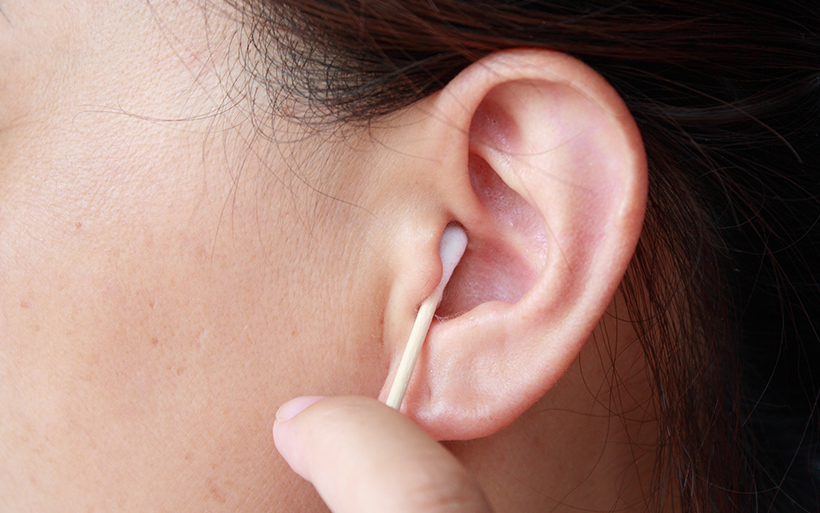
When hearing feels dampened, the natural urge is to use a Q-tip, but this is frequently a hazardous move. Regrettably, these can push wax further in and exacerbate the situation.
According to the National Library of Medicine, placing items into the auditory canal increases the risk of blockage and trauma.
On the flip side, assuming a concern is just wax when it is truly auditory impairment can hinder you from getting the help you need to stay engaged.
Ways a Clinical Evaluation Assists
A quick professional check-up is the primary way to verify if cerumen is actually the source of your muffled hearing.
If cerumen is present, safe extraction often clears signs immediately.
When the ear is unobstructed but sound remains muted, a clinical test is necessary to audit your auditory integrity.
The NIDCD recommends immediate evaluation anytime changes in hearing interfere with your everyday routine.
Final Thoughts on Earwax and Auditory Health
Dampened auditory input doesn’t always indicate permanent damage.
In many cases, earwax buildup is the source, and it’s extremely manageable.
Obtaining expert care guarantees you find the specific cause and the right solution for your auditory needs.
Remember: The only accurate way to distinguish the difference between cerumen impaction and auditory impairment is with a clinical exam.
Getting clarity early can avert unnecessary worry and ensure you obtain the right treatment at the optimal moment.
If you’ve observed a change in your hearing, call our office for a formal evaluation today.