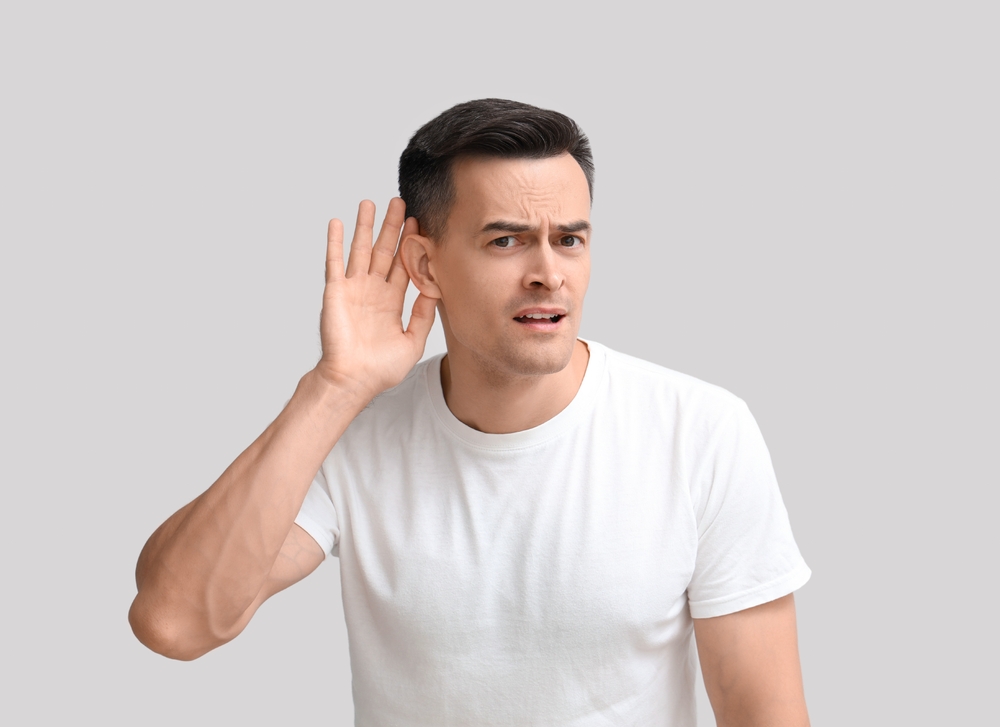
Have you ever felt totally drained after a long conversation or social gathering?
You may assume you’re just tired, stressed, or overwhelmed. And it’s true that for introverts or people with sensory issues, social situations can be exhausting. But in some cases, the cause is a lesser-known culprit: auditory fatigue.
Auditory fatigue occurs when the central nervous system must expend excessive energy to decode acoustic signals. If auditory input is degraded, the brain must engage in constant phonemic restoration to bridge the gaps in speech. Accumulated listening strain eventually manifests as the profound exhaustion associated with auditory fatigue.
Most individuals fail to distinguish between localized auditory fatigue and general fatigue. This type of burnout often points toward a functional decline in the auditory system. A professional diagnostic evaluation is necessary to confirm if hearing loss is the root cause of your exhaustion. If this cycle of exhaustion is recurring, consult an audiologist to investigate the influence of hearing loss.
Identifying the Core Drivers of Listening Exhaustion
The risk of developing auditory fatigue is increased by several physiological and environmental factors.
The Hidden Cost of Ignoring Hearing Loss
The absence of treatment for hearing loss is the most frequent driver of this neurological strain.
When acoustic signals are incomplete, the brain engages in heavy “top-down” processing to reconstruct speech. This constant guesswork increases listening effort, which can quickly lead to mental exhaustion during conversations.
How Background Noise Triggers Fatigue
Busy environments can worsen auditory fatigue. Settings like busy cafes or group discussions often present a low signal-to-noise ratio that obscures speech.
When multiple sounds occur at once, the brain must filter through them to identify the important information. This intensive filtering often leads to cognitive overload, even in patients with “hidden” or sub-clinical hearing loss.
Tinnitus and Sound Distortion
Chronic tinnitus compounds listening effort as the brain struggles to ignore internal noise while focusing on external speech.
When hearing loss causes sound to arrive garbled, the brain must work with higher intensity to extract meaning.
Clinical Red Flags for Auditory Fatigue
Auditory fatigue can affect both mental focus and overall energy levels. Common signs include:
- Profound mental burnout after speaking with others
- Reduced focus during professional or social group settings
- Physical head pain triggered by extended periods of listening effort
- Irritability or frustration in social settings
- A tendency to “tune out” or physically leave social gatherings
- Requiring immediate sensory deprivation or sleep after socializing
Recurring instances of these symptoms suggest that your auditory processing system is operating at an inefficient level.
The Cognitive Cost of Auditory Decline
When hearing is clear, the brain can process speech almost effortlessly. Conversely, hearing loss forces the brain to redirect energy from other executive functions to assist in sound decoding.
Researchers describe this as increased cognitive load. This energy shift often leaves the patient struggling with recall and attention while they try to listen. Sustained energy redirection eventually results in a state of total mental insolvency. Even short conversations may require more concentration than they should.
How a Hearing Test Can Identify the Problem
Should listening effort compromise your quality of life, a clinical hearing test is the essential diagnostic tool. During a comprehensive hearing test, an audiologist will measure how well you hear different tones and speech sounds. An audiologist may simulate real-world noise to see how your brain manages complex auditory environments.
A comprehensive hearing test can determine whether hearing loss is contributing to your fatigue and help guide the next steps for treatment. By catching these changes in their infancy, you can implement solutions before they damage your social and professional life.
Restoring Energy Through Hearing Care
Treating hearing loss can significantly minimize listening fatigue.
Current digital technology restores the signal-to-noise ratio, providing the brain with a cleaner audio feed. The brain can finally rest, receiving data that is easy to interpret and understand.
With restored hearing clarity, you will likely see a boost in:
- A feeling of being more “awake” and present throughout the day
- Ability to follow complex dialogue without drifting off
- A return to enjoying busy restaurants and gatherings
Lowering the cognitive cost of communication allows social life to feel effortless once more.
When Should You Schedule a Hearing Test?
It may be time to schedule a hearing evaluation if:
- You feel exhausted after conversations
- You are increasingly told that you are missing parts of the conversation
- You find yourself “guessing” at words in loud settings
- You find yourself “hiding” in quiet rooms during parties or meetings
Resolving these issues today ensures a higher standard of living and better cognitive health for the future.
FAQs About Auditory Fatigue
Is auditory fatigue the same as hearing loss?
There is a difference: the fatigue is the neurological byproduct of the effort to hear. Most people experience auditory fatigue as a direct consequence of their hearing loss.
Can Technology Lower My Cognitive Load?
Absolutely; by cleaning up the acoustic signal, modern devices take the processing load off the brain.
Is auditory fatigue permanent?
Most patients find that their energy returns once the listening “gap” is closed with technology.
End Your Struggle with Auditory Fatigue Today
Daily dialogue should not be a source of profound cognitive depletion. When simple listening becomes a chore, it is a sign of an inefficient auditory processing loop.
Don’t wait for the burnout to get worse; schedule your audiological check today. Reclaim your social life and your energy by getting the truth about your auditory health today.