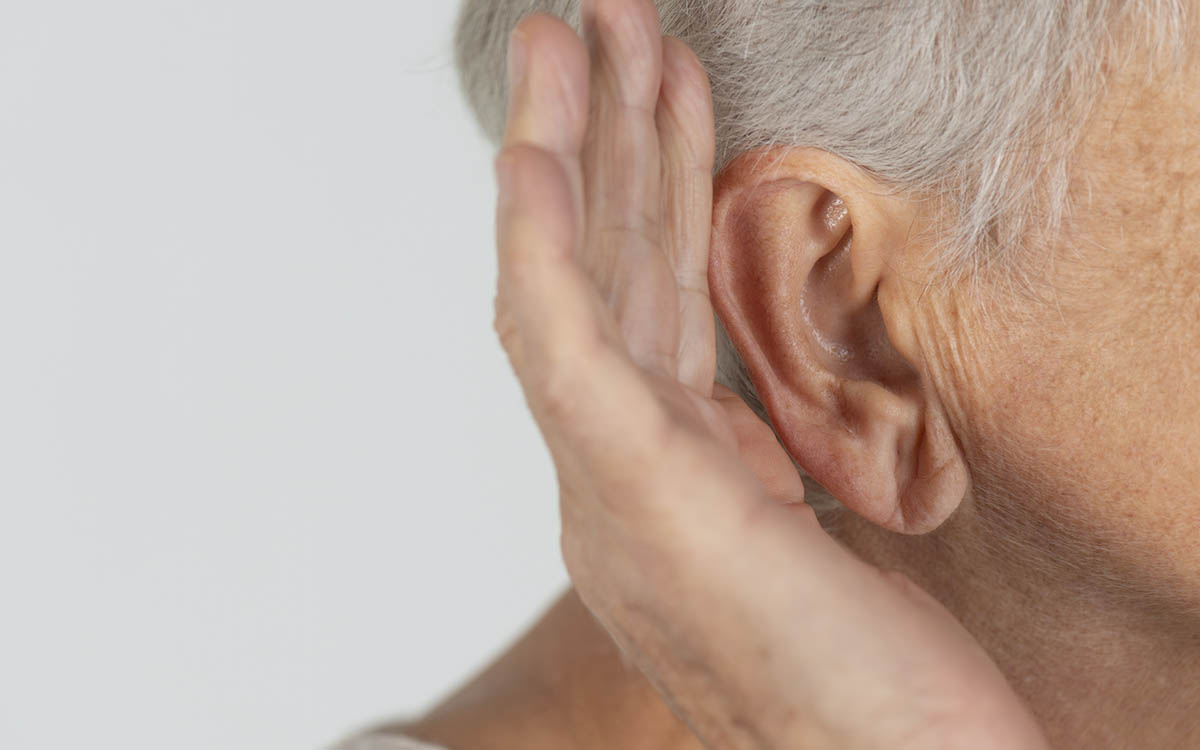
Most people associate hearing loss to the aging process, however, for millions in the U.S., physiological damage begins at a younger age. Noise-induced hearing loss represents a common, preventable auditory pathology, remaining undetected until the damage is irreversible.
Grasping the longitudinal impact of sound exposure on the auditory system is essential for implementing safeguards before substantial hearing loss manifests.
The Clinical Mechanisms of Noise-Related Ear Damage
Noise-induced hearing loss is characterized by the degradation of intricate inner ear components. Data from the CDC indicate that, sounds above 85 decibels (roughly the volume of heavy traffic) can begin to cause hearing damage with repeated or prolonged exposure. Louder sounds, like those from concerts, power tools, or firearms, can cause damage in minutes or even seconds.
Inside the inner ear are tiny sensory cells called hair cells. These cells convert sound vibrations into electrical signals that your brain interprets as sound. Once damaged, hair cells do not regenerate, making this form of hearing loss a lifelong auditory deficit.
The Cumulative Development of Acoustic Injury
A primary clinical concern regarding noise-induced hearing loss is its typically slow rate of progression. Early exposure may cause symptoms like:
- Occasional instances of Tinnitus, characterized by ringing or buzzing sounds
- Post-exposure auditory dullness or perceived muffling of sound
- Impaired speech discrimination in the presence of background noise
While these preliminary indicators may dissipate, this should not be mistaken for complete physiological recovery. In fact, chronic noise exposure causes ongoing trauma to inner-ear anatomy, steadily eroding hearing precision.
Statistics from the HLAA suggest that 48 million Americans have some form of hearing loss, often without realizing the cause.
Frequent Acoustic Triggers of Ear Injury
The prevalence of loud sounds in daily life often results in a dangerous desensitization to harmful noise levels. Consequently, the frequency of hazardous noise exposure is often underestimated.
Typical noise-generating sources consist of:
- Professional music performances and concert environments
- The use of headphones at unsafe volume settings
- Lawn equipment, power tools, and motorcycles
- Industrial workplace environments such as warehouses and construction sites
Due to the routine nature of these sounds, auditory injury may accrue in the absence of overt symptoms.
The Critical Role of Hearing Safeguards
Noise-induced hearing loss is physiologically irreversible, unlike many other health impairments. Nevertheless, it remains a highly avoidable pathology. Adopting straightforward preventative behaviors can markedly decrease the likelihood of injury, including:
- Utilizing hearing protection devices like earplugs in noisy settings
- Modulating audio output levels and observing 60/60 rule constraints
- Incorporating auditory rest periods to allow for physiological recovery
- Scheduling regular hearing evaluations if you’re frequently exposed to loud noise
Clinical Indicators for Seeking Audiology Services
The presence of chronic Tinnitus, impaired speech recognition, or altered auditory clarity warrants a professional Audiology consultation. Prompt clinical evaluation is vital for tracking auditory status and formulating effective hearing preservation plans.
Implementing protective measures today safeguards your auditory capacity for the years ahead. Exposure to noise is frequent, yet hearing loss can be successfully avoided through proper care. Please contact our clinic to arrange a professional consultation regarding your auditory health.